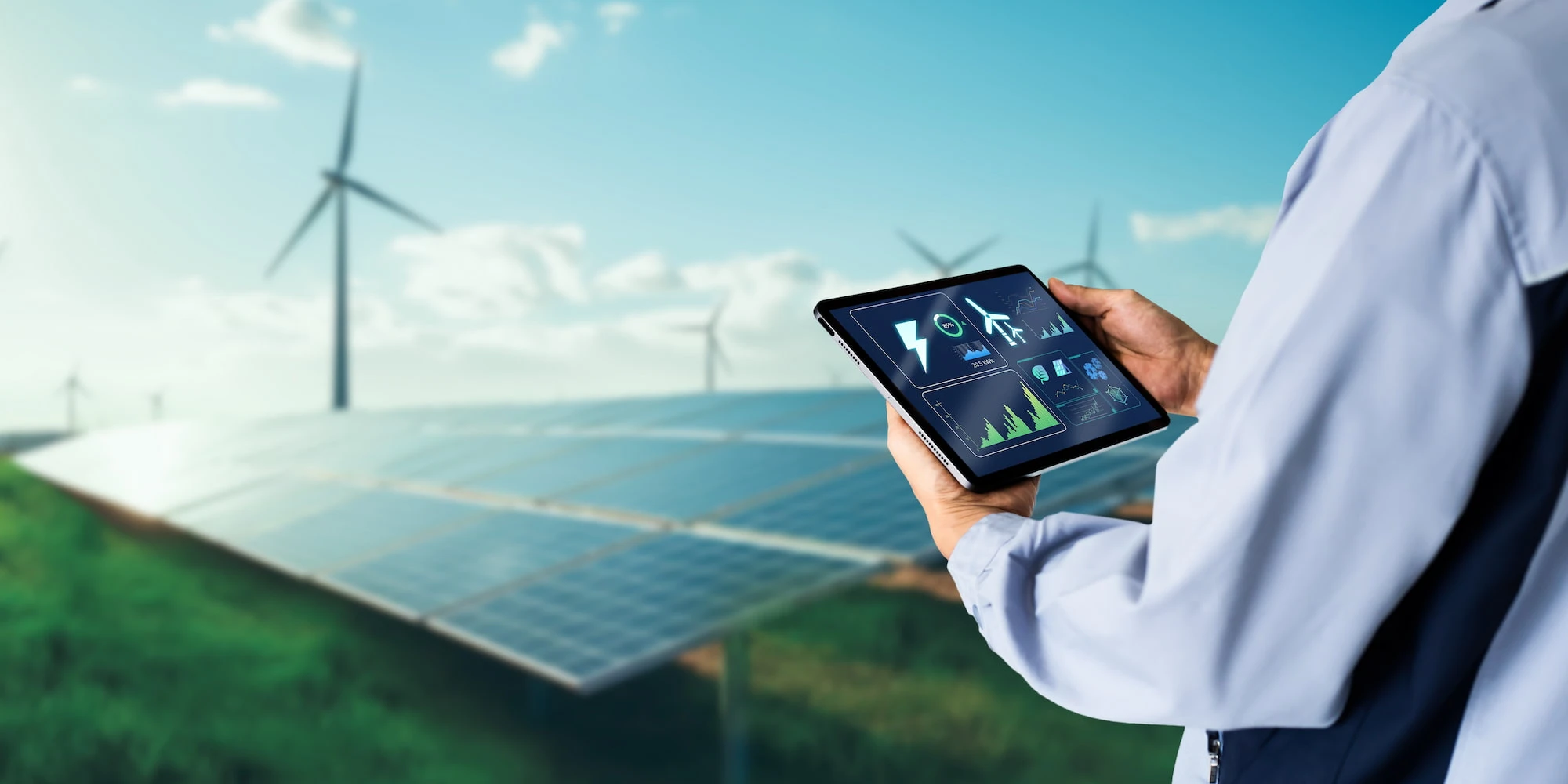
Enhancing Solar Energy Reliability with Data-Driven Solutions
The Predictive Maintenance for Solar Panels project leverages cutting-edge analytics, IoT sensors, and machine learning to maximize the performance and longevity of solar energy systems. Real-time data from panel-mounted sensors tracks metrics like temperature, voltage output, dust accumulation, and weather conditions, providing a comprehensive view of system health. Predictive models analyze this data alongside historical performance and environmental factors—such as UV exposure or storm patterns—to anticipate issues like panel degradation, inverter failures, or shading inefficiencies. By identifying maintenance needs early, the system prevents energy loss, reduces repair costs, and ensures consistent power generation. Integration with solar farm management software enables automated scheduling of cleaning or repairs, while remote monitoring supports large-scale installations in diverse climates. The goal is to boost solar energy reliability, optimize operational efficiency, and accelerate the shift to renewable energy by minimizing downtime and extending the lifespan of solar assets.
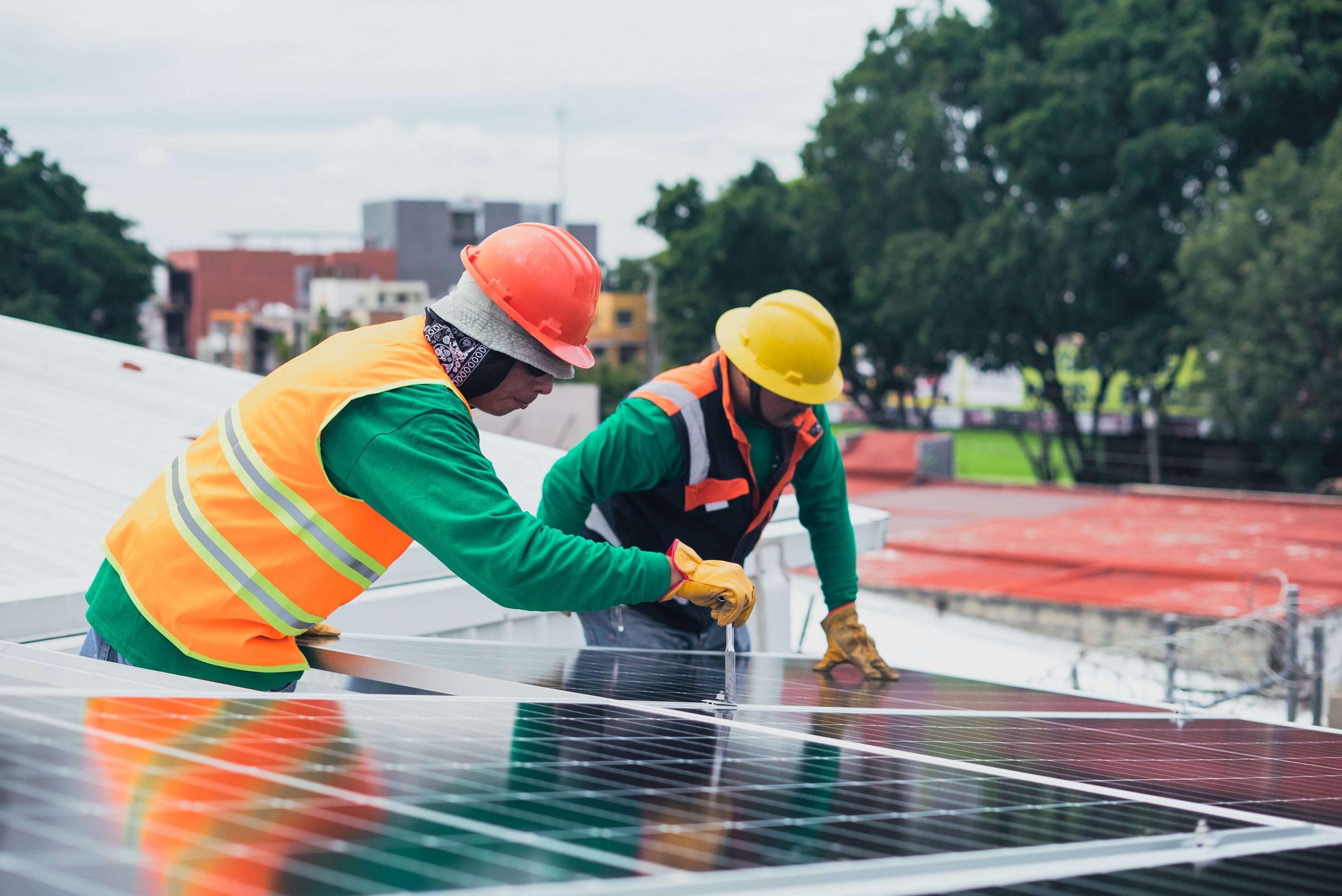
Faulty sensors or incomplete data can lead to unreliable predictions.
Processing real-time solar data requires robust, scalable infrastructure.
Integrating older solar setups with modern IoT systems poses technical hurdles.
High costs of AI and cloud resources challenge widespread adoption.
Ensuring sensor accuracy is a major challenge, as dust, wear, or calibration errors on solar panels can distort data and undermine predictive models. Real-time analysis of extensive datasets—like panel output, weather forecasts, and grid interactions—demands high-performance computing to avoid delays, especially for large solar farms. Integrating legacy solar installations, often lacking digital connectivity, with advanced IoT and analytics platforms requires custom solutions and can slow deployment. Predicting maintenance needs is complicated by unpredictable factors, such as sudden hailstorms, bird droppings, or pollen buildup, which affect panel efficiency. Scaling this technology across thousands of panels or remote sites involves significant investment in cloud infrastructure, AI training, and maintenance logistics, straining budgets for smaller operators. Environmental regulations and safety standards add further complexity, requiring compliance with local energy codes. Additionally, transitioning teams from manual checks to predictive systems demands training and buy-in, as some may resist relying on AI over traditional methods.
Our solution uses AI-powered predictive maintenance to keep solar panels at peak performance. IoT sensors embedded in panels monitor key indicators—temperature, power output, and dust levels—feeding data into machine learning models that predict issues like cell degradation or inverter faults. Automated alerts notify operators of maintenance needs, such as cleaning soiled panels or replacing worn components, before efficiency drops. Integration with solar management software streamlines workflows, scheduling tasks like robotic cleaning or technician visits based on real-time insights. A user-friendly dashboard displays panel health, energy trends, and predictive timelines, empowering operators to act swiftly. Models adapt to changing conditions—like seasonal sun angles or regional weather—ensuring accuracy over time. Training programs help staff embrace this technology, shifting from reactive to proactive care. This approach cuts downtime, lowers maintenance costs, and maximizes solar energy yield, supporting a cleaner, more reliable energy future.
Turning Data into Decisions, and Decisions into Success