Air Pollution Monitoring

Empowering Clean Air with Data-Driven Insights and Real-Time Analytics

Overview

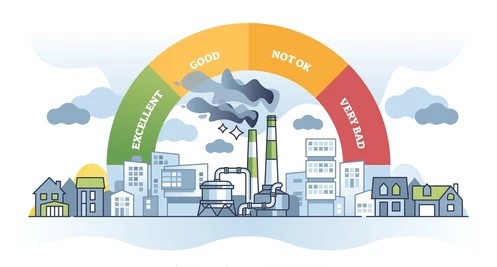
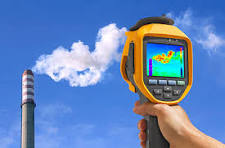
The Air Pollution Monitoring project leverages real-time data from IoT air quality sensors, weather systems, and industrial logs to track and analyze pollution levels across urban and industrial areas. Advanced machine learning models predict pollution trends, identify sources, and recommend mitigation strategies. By integrating data from multiple sources, the system provides actionable insights for governments, businesses, and communities to reduce emissions and improve air quality. The goal is to create a scalable, data-driven solution that enhances environmental monitoring, supports regulatory compliance, and promotes public health.
Air Pollution Monitoring
desktop_windows

Inaccurate or incomplete data from sensors due to weather or maintenance issues can skew predictions.

cloud

Processing real-time air quality data from widespread sensor networks requires robust infrastructure.

groups

Integrating diverse data sources like weather, traffic, and industrial logs can be technically complex.

bar_chart

Scaling monitoring across large regions demands significant investment in sensors and cloud computing.

Challenges

One major challenge is ensuring consistent, high-quality data from air quality sensors, as weather conditions, sensor malfunctions, or calibration issues can disrupt accuracy. Handling real-time data from a vast network of sensors and external sources—like traffic or industrial emissions—requires powerful, low-latency systems, which can be resource-intensive. Predicting pollution trends is complicated by unpredictable factors like wind patterns, human activity, and seasonal changes. Integrating this solution with existing environmental or regulatory systems can also be difficult, especially in regions with outdated infrastructure. Scaling the system to cover large areas while keeping costs manageable is another hurdle. Lastly, encouraging adoption by policymakers and industries accustomed to traditional monitoring methods poses a cultural challenge.

Solutions

Our solution deploys IoT air quality sensors, AI-powered analytics, and automation to monitor pollution levels in real time and pinpoint emission sources. Predictive models forecast air quality trends, enabling proactive measures to reduce pollution. Automated alerts notify stakeholders of critical pollution spikes, while data integration with weather and traffic systems enhances accuracy. Training programs educate communities and regulators on using insights effectively. This holistic approach improves air quality management, reduces health risks, and supports environmental sustainability.
Additionally, our solution provides actionable insights for urban planning, helping cities optimize resource allocation and infrastructure development to combat pollution more efficiently. Real-time data visualization tools make it easier to understand pollution patterns and collaborate on timely actions, promoting a cleaner and healthier environment.

Air Pollution Monitoring

Our Value Proposition

Turning Data into Cleaner Air, and Cleaner Air into Healthier Lives

air
Real-Time Insights
Leverage IoT sensors and AI analytics to monitor air quality and identify pollution sources instantly.
trending_up
Predictive Action
Forecast pollution trends with machine learning to enable timely interventions and reduce emissions.
merge_type
Data Integration
Combine air quality, weather, and traffic data for a comprehensive view of pollution dynamics.
eco
Environmental Impact
Reduce pollution and promote sustainability with targeted, data-driven environmental strategies.
attach_money
Cost Efficiency
Optimize monitoring efforts and resource allocation to lower costs while improving air quality.
gavel
Regulatory Compliance
Meet environmental standards with accurate data and actionable pollution control measures.

Combat Air Pollution with Smart Analytics - Get in Touch

Stay ahead with the latest tools and insights for effective air quality management.